





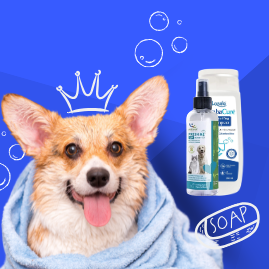


Protect Pets From Fleas & Ticks

Protect Pets From Fleas & Ticks: Essential Tips Every Pet Owner Should Know
Fleas and ticks are more than just annoying pests—they can cause serious health problems for pets and even affect humans. These tiny parasites can lead to skin irritation, allergic reactions, infections, and the transmission of harmful diseases. Fortunately, with the right preventive measures, you can keep your furry companions safe and healthy year-round.
Why Flea and Tick Prevention Matters
Fleas and ticks feed on your pet's blood and can quickly multiply if left untreated. Infestations can cause discomfort and increase the risk of various health issues.
Common Problems Caused by Fleas and Ticks
- Excessive scratching and itching
- Skin infections and hot spots
- Hair loss and irritation
- Allergic reactions
- Anemia in severe flea infestations
- Transmission of diseases and parasites
- Discomfort and stress for pets
Signs Your Pet May Have Fleas or Ticks
Early detection is key to preventing a serious infestation.
Watch for These Symptoms:
- Frequent scratching, biting, or licking
- Red, irritated skin
- Small black specks (flea dirt) in the fur
- Visible fleas moving through the coat
- Small bumps or attached ticks on the skin
- Restlessness or unusual discomfort
If you notice any of these signs, inspect your pet carefully and consult your veterinarian if needed.
1. Use Preventive Treatments Regularly
The best defense against fleas and ticks is prevention.
Popular Prevention Options:
- Spot-on topical treatments
- Oral flea and tick medications
- Flea and tick collars
- Medicated shampoos
- Preventive sprays and powders
Always choose products recommended by your veterinarian and follow the instructions carefully.
2. Check Your Pet After Outdoor Activities
Ticks are commonly found in grassy areas, bushes, and wooded environments.
Areas to Inspect:
- Around the ears
- Neck and collar area
- Under the legs
- Between the toes
- Around the tail
- Belly and groin area
Perform a quick inspection after walks, hikes, or outdoor play sessions.
3. Keep Your Home Clean
Fleas can live in carpets, bedding, furniture, and cracks around the home.
Cleaning Tips:
- Vacuum carpets and furniture regularly
- Wash pet bedding frequently in hot water
- Clean pet toys and blankets
- Dispose of vacuum bags promptly
- Maintain a clean living environment
A clean home helps prevent flea infestations from spreading.
4. Maintain Your Yard
Your outdoor space can be a breeding ground for fleas and ticks.
Yard Maintenance Tips:
- Mow the lawn regularly
- Remove leaf piles and debris
- Trim bushes and overgrown vegetation
- Keep outdoor pet areas clean
- Reduce standing water and damp areas
Proper yard maintenance makes your property less attractive to pests.
5. Groom Your Pet Frequently
Regular grooming helps identify fleas and ticks before they become a major problem.
Grooming Benefits:
- Early detection of parasites
- Healthier skin and coat
- Reduced shedding and matting
- Better overall hygiene
Use a flea comb to check for signs of fleas, especially during warmer months.
6. Remove Ticks Safely
If you find a tick attached to your pet:
- Use fine-tipped tweezers or a tick removal tool.
- Grasp the tick close to the skin.
- Pull upward steadily without twisting.
- Clean the area afterward.
- Monitor the site for irritation.
Avoid crushing the tick with your fingers and wash your hands thoroughly after removal.
When to Consult a Veterinarian
Contact your veterinarian if:
- Your pet has a severe flea infestation.
- You find multiple ticks attached.
- Your pet develops a rash or infection.
- There are signs of illness after a tick bite.
- You need advice on the best preventive treatment.
Professional guidance ensures your pet receives safe and effective protection.
Final Thoughts
Protecting your pet from fleas and ticks is an important part of responsible pet care. Regular grooming, preventive treatments, home cleaning, and routine inspections can significantly reduce the risk of infestations and related health issues.
A few simple preventive steps today can help keep your beloved companion comfortable, healthy, and parasite-free throughout the year.